🔐✈️ Travel Safe, Stay Connected: eSIM Security & Privacy Essentials Worried about digital safety while traveling? You’re not alone — and this hub is here to help you understand how eSIMs can actually enhance your privacy and security abroad. In this section, we answer the most common traveler concerns around data protection, safe connectivity, and how eSIMs compare to public Wi-Fi or roaming when it comes to keeping your personal info safe. Here’s what you’ll learn: ✅ Is eSIM safe for international travel? (Spoiler: Yes — and safer than most options) 🛡️ eSIM vs roaming vs public Wi-Fi: Which is more secure? 🔓 Can an eSIM be hacked? Realistic risks + how to prevent them 📋 Simple data protection checklist for travelers 🧠 Smart habits to avoid surveillance, tracking, and data leaks on the go Whether you’re a business traveler protecting sensitive emails or a backpacker avoiding sketchy airport Wi-Fi, this section gives you the tools and confidence to stay connected without compromising your privacy.
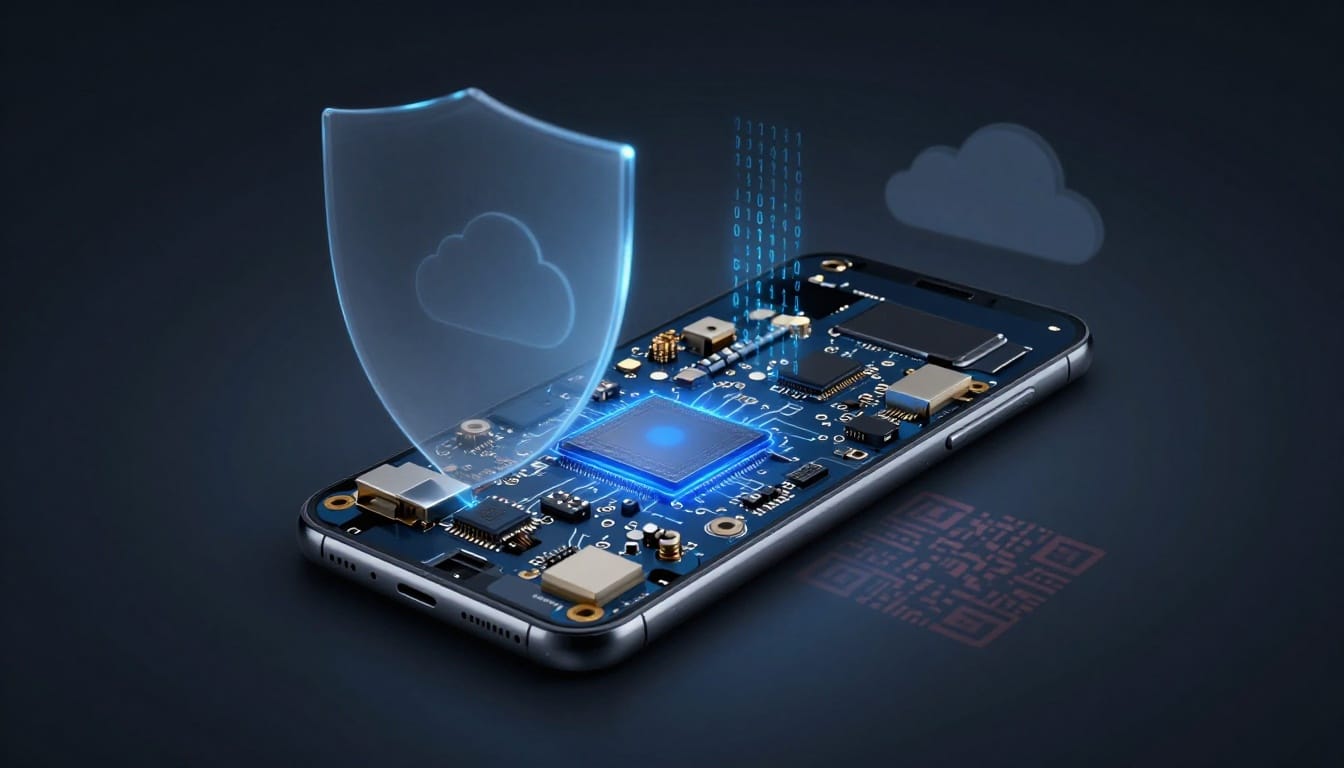
An eSIM is an embedded SIM chip (eUICC) that is built directly into your device’s motherboard, allowing you to download mobile profiles digitally instead of swapping physical plastic cards. This hardware is generally considered more secure than traditional SIM cards because it cannot be physically…
Data protection is the specific set of measures you take to keep your personal information, such as passwords and banking details, safe from hackers and thieves. When you travel, your digital environment shifts dramatically, making you a prime target for modern threats like AI voice scams and fake…
Secure internet for travelers means a connection that prioritizes data integrity and privacy, preventing unauthorized parties from intercepting your sensitive information. When you’re jumping between departure gates and hotel lobbies, you essentially have three choices: the convenience of eSIM…
If you are wondering whether ditching your physical SIM card for a digital one is a smart move for your next trip, I have got a straight answer for you. Using an eSIM is generally safer than a physical SIM card. In fact, it’s one of the most secure ways to handle mobile data while…