📘✈️ New to eSIM? Start Here. This is your essential guide to understanding eSIMs for international travel — what they are, how they work, and why they’re changing the way travelers stay connected. Whether you're switching from a physical SIM or just heard about digital SIM cards for the first time, this section breaks it all down in a simple, traveler-friendly way. You’ll learn: ✅ What is an eSIM, and why it matters for global travelers 📲 eSIM vs physical SIM — which is better for international travel in 2026? ⚡ How travel eSIMs work (and why they beat airport kiosks every time) 💡 Key eSIM benefits: flexibility, instant setup, no roaming fees 🧭 Real use cases + when a travel eSIM might not be right for you 🌍 After reading these guides, you’ll be fully equipped to choose the best eSIM for international travel with confidence — whether you're island-hopping in Asia or working remotely in Europe. 👉 Understand the basics. Skip the confusion. Travel smarter.
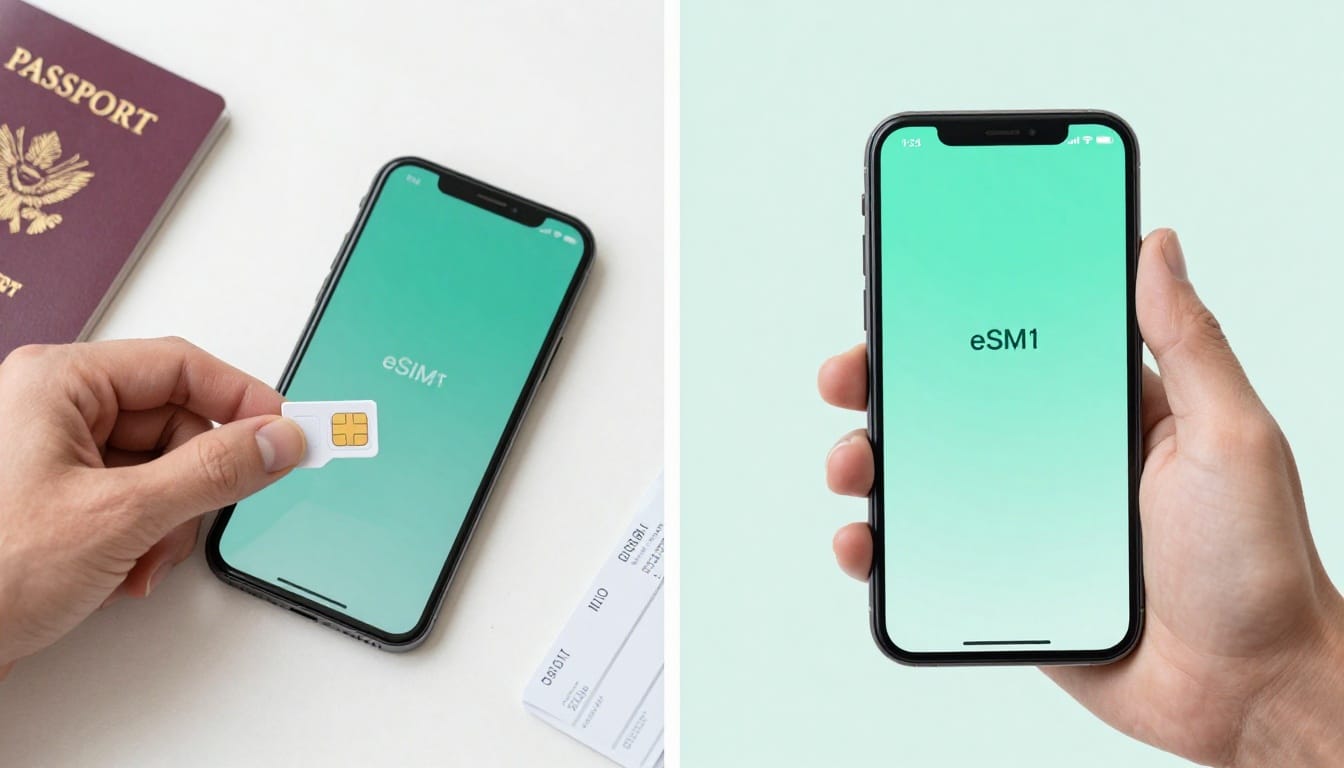
Choosing between a travel eSIM and a physical SIM after you land comes down to value and convenience, not which option sounds newer. Compare the full plan cost per usable gigabyte, setup steps, device support, and the local network behind the plan. An eSIM can make setup easier and keep your home…
You land, switch off Airplane Mode, and your phone sits there saying “Activating…” while you wait for signal bars. Many travel eSIMs connect within 30 to 90 seconds, but some take 20 minutes because of remote provisioning servers, identity checks, roaming handshakes, or unstable Wi-Fi. That delay…
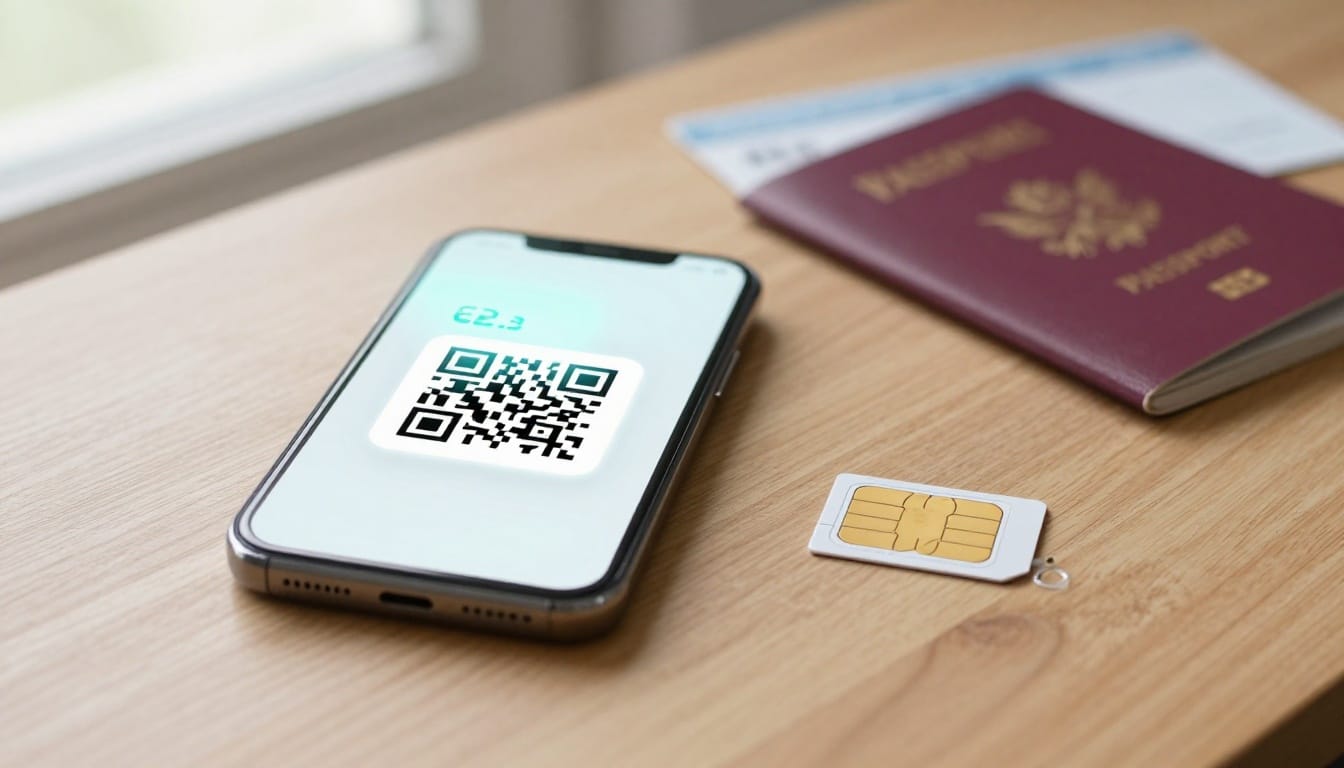
At the airport, you can buy a plastic SIM, or install a digital plan before departure. For most trips, a Thailand data plan works best as an eSIM between one and 30 days. Short stays benefit from quick installation, no airport queues, and immediate data after landing. An eSIM also keeps your home…
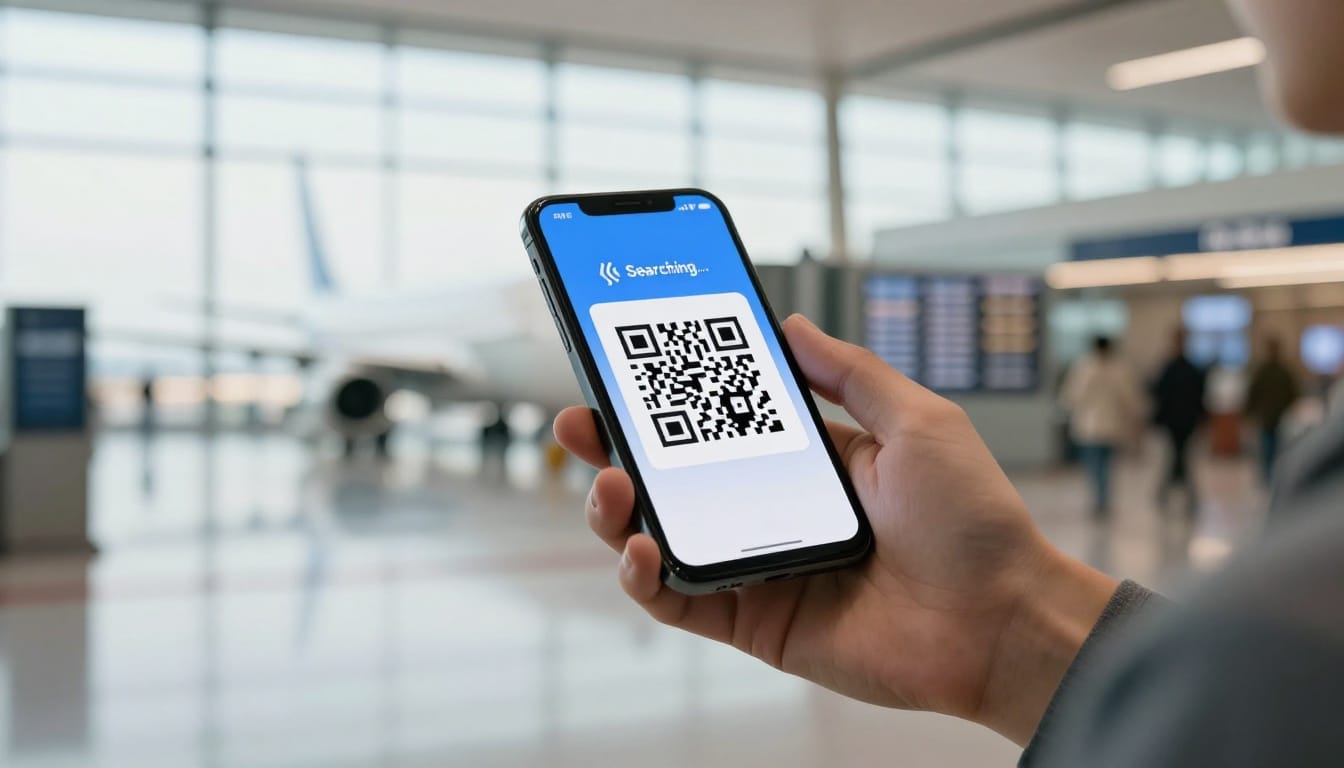
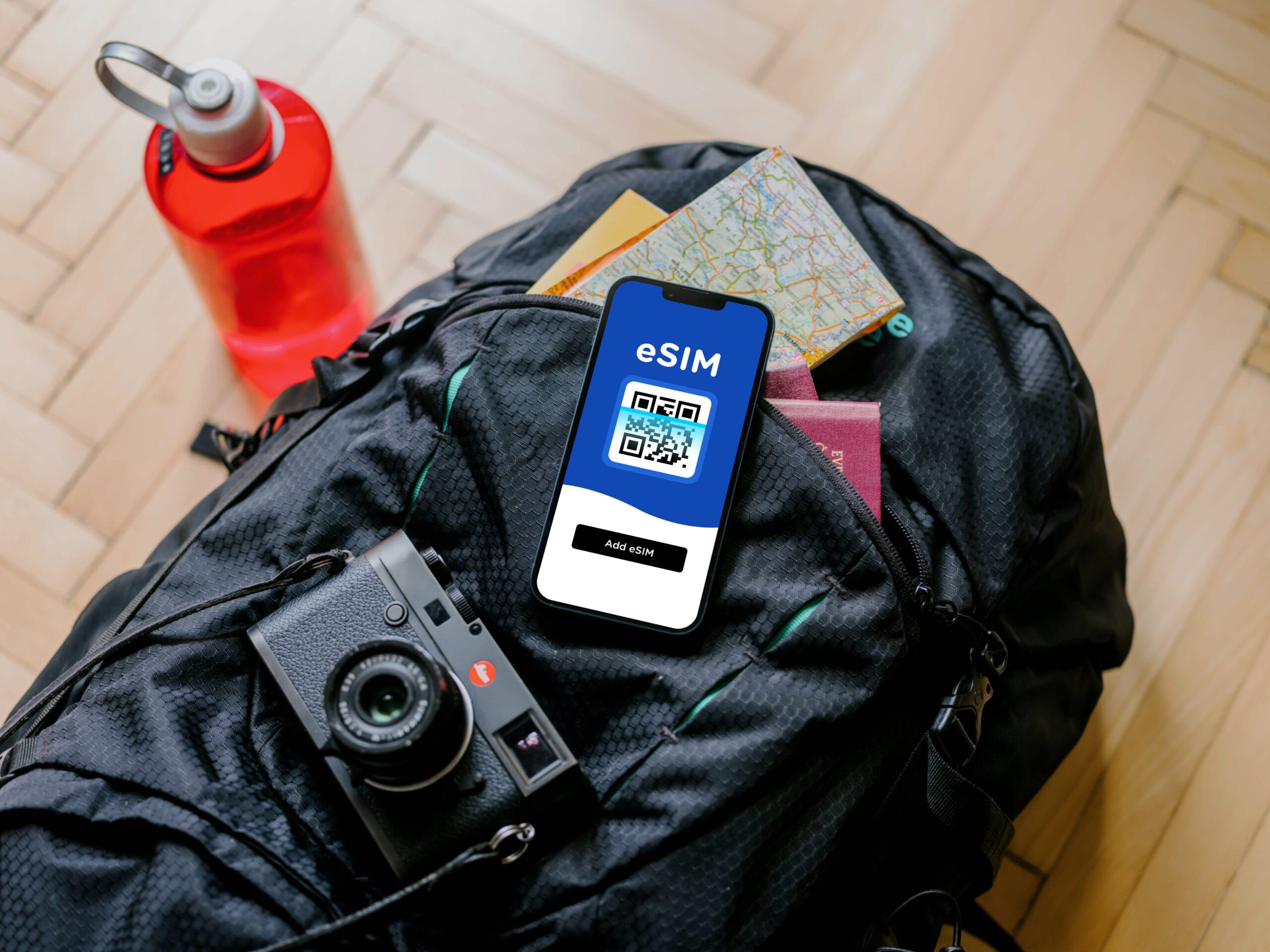
You’ve landed, scanned your eSIM QR code, and now your phone has been stuck on “Searching…” for 20 minutes. Frustrating? Absolutely, but it doesn’t always mean the installation failed. eSIM activation time depends on network handshakes, server load, identity checks, and local tower registration.…
A bright green coverage map can promise perfect service, but that promise means little when you reach your campsite and find zero signal. The main thing to remember is simple: most maps show modeled outdoor coverage under ideal conditions, not guaranteed service at every trail, hotel, valley, or…
Traveling used to involve a frantic search for paperclips and airport kiosks just to get a local signal, but that era is officially over. Today, the travel eSIM serves as a digital-first solution, allowing you to download a mobile data plan directly to your device hardware without ever touching a…
Ever landed at a busy airport, jet-lagged and thirsty for data, only to realize you have to wait in a massive line at a plastic kiosk just to get online? It’s a total vibe killer. A travel eSIM changes that game entirely by acting as a digital chip built directly into your device, allowing you…
It is officially 2026, and the “SIM card shuffle” has mostly gone the way of the paper map and the traveler’s check. Remember those tiny pieces of plastic we used to frantically swap with a paperclip in the middle of a crowded terminal? Those days are effectively over. With over 85% of…
You land after a long flight, switch off airplane mode, and your phone just sits there. No maps loading, no rideshare, no campground check-in message, no park permit QR code. In that moment, getting data fast matters more than any travel hack. This guide compares eSIM vs physical SIM for…
Ever land in a new country, switch off airplane mode, and watch your phone do… nothing? No maps, no rideshare, no messages, and suddenly your “I’ll figure it out when I get there” plan feels shaky. That’s where eSIM comes in. It’s the easiest way I know to get mobile data abroad without hunting for…